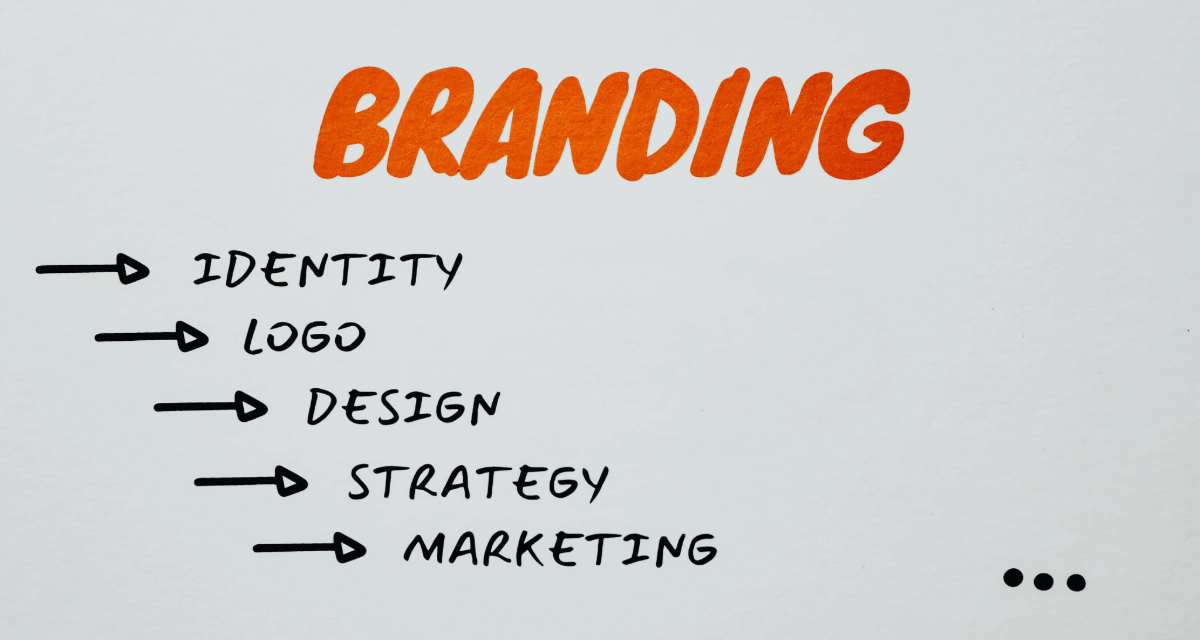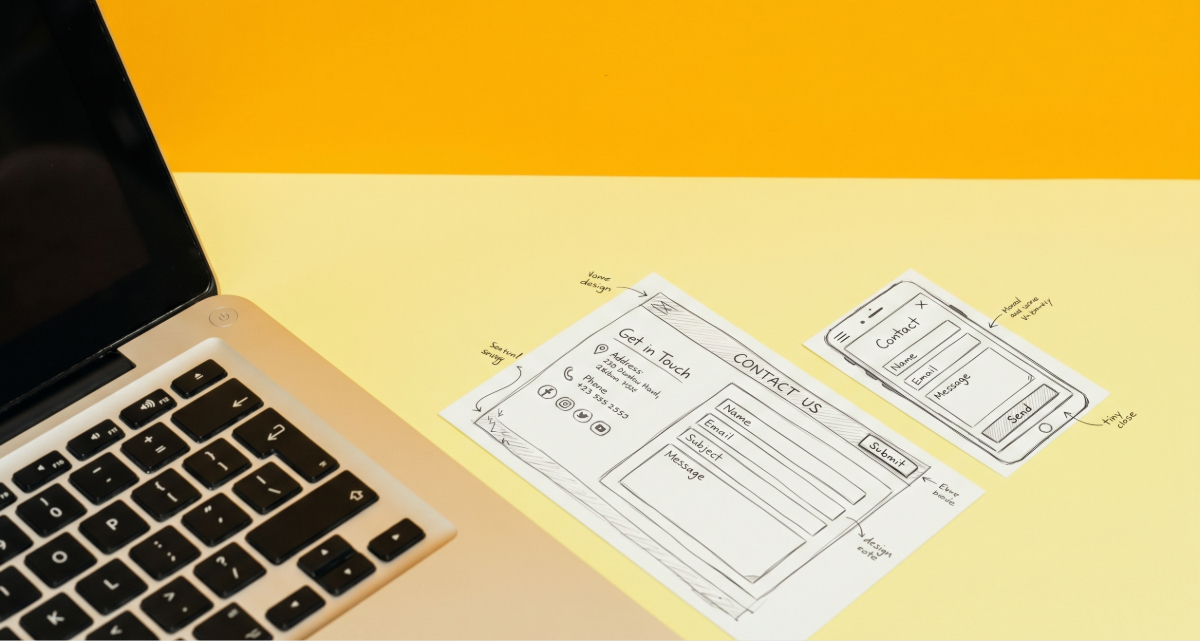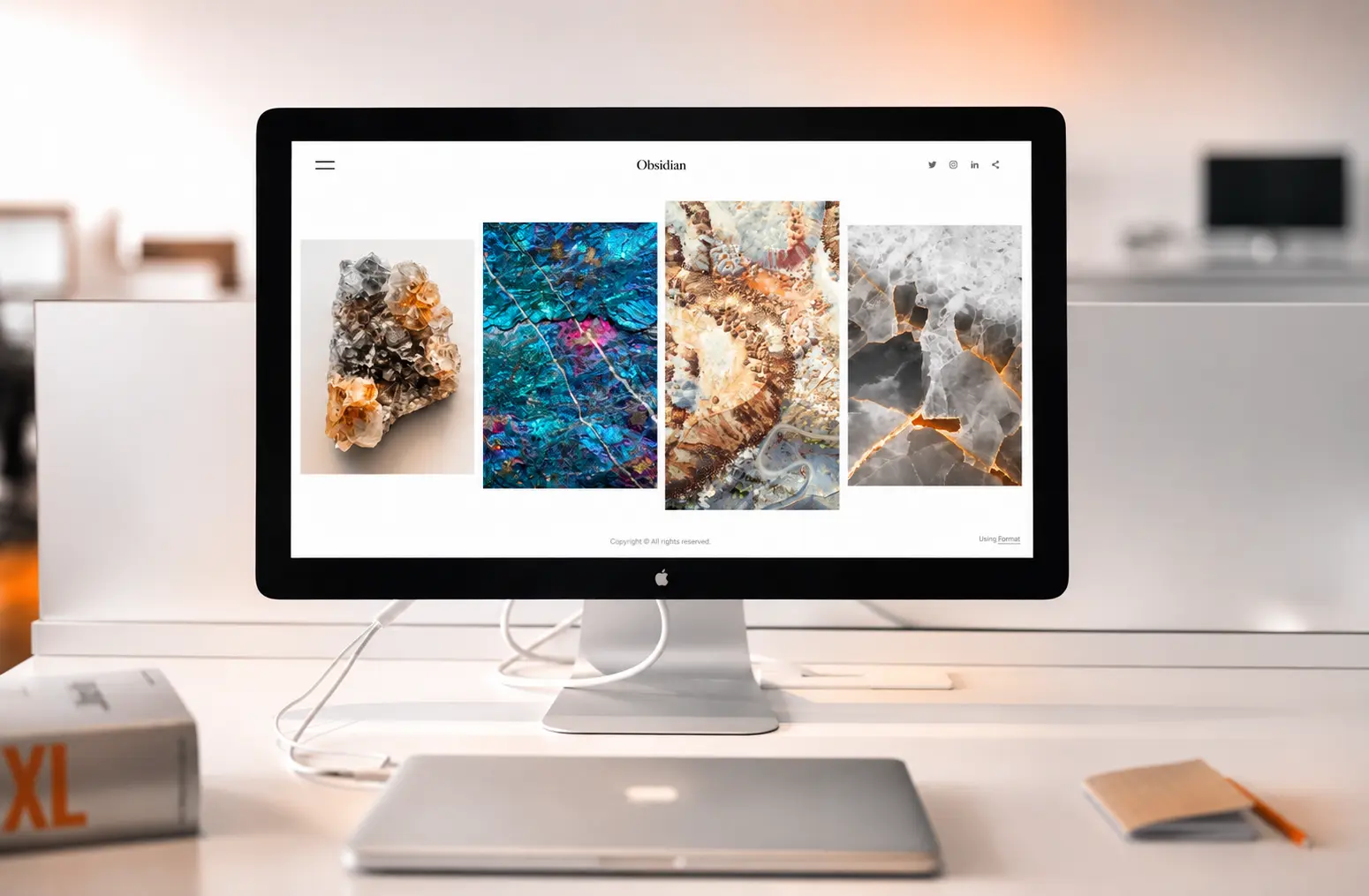

Effective website branding begins long before a visitor reads a single word. From typography and imagery to layout and user experience, every design choice shapes how people perceive your business.
Before visitors read your headline, explore your services, or click a button, they’ve already formed an impression.
It happens almost instantly.
And whether intentional or not, your website is always saying something.
First Impressions Are Visual
Think about the last time you visited a website for the first time.
Did it feel sophisticated? Trustworthy? Innovative? Outdated?
Chances are, you formed an opinion before reading much of the content.
A luxury brand might communicate exclusivity through refined typography, generous white space, and carefully selected photography. A technology company might emphasize innovation through bold layouts, motion, and streamlined interactions.
Neither approach is inherently better. What matters is whether the experience reflects the brand’s identity and audience expectations.
Effective website branding makes that connection feel natural.
Design Choices Are Brand Decisions
Every element of a website contributes to its personality.
- Typography: Elegant serif fonts can communicate heritage and sophistication, while clean sans-serif typefaces often suggest modernity and simplicity.
- Color: A thoughtful palette establishes mood, reinforces recognition, and guides attention.
- Imagery: Original photography and purposeful visuals can communicate authenticity more effectively than generic stock images.
- Layout: Spacing, alignment, and visual hierarchy influence whether a brand feels considered or cluttered.
- Interaction: Subtle animations, navigation behavior, and transitions shape how polished and intuitive the experience feels.
Individually, these choices might seem small. Together, they create a visual language that visitors begin interpreting immediately.
User Experience Is Part of Your Brand Identity
A beautiful website can still communicate the wrong message if it’s frustrating to use.
Slow-loading pages, confusing navigation, inconsistent mobile layouts, and unnecessary steps introduce friction. They can make an otherwise capable business feel disorganized.
Conversely, a seamless experience communicates competence, attention to detail, and respect for the visitor’s time.
This is where website branding and user experience become inseparable.
A brand that promises simplicity should deliver an intuitive website. A brand built around exceptional service should make getting help effortless.
Your digital experience should reinforce your promises, not contradict them.
Consistency Builds Recognition
A strong website doesn’t need every page to look identical. It needs every page to feel connected.
Consistent typography, visual hierarchy, photography, and interface patterns create familiarity as visitors move through the experience.
That familiarity builds recognition and helps establish trust.
The same principle extends beyond your website to social media, email campaigns, and other digital touchpoints.
When these experiences share a recognizable identity, your brand becomes easier to understand and remember.
What Is Your Website Saying?
Your website communicates whether you’re paying attention to the details, whether you understand your audience, and whether your brand delivers the experience it promises.
The question isn’t whether visitors are receiving those messages.
It’s whether they’re receiving the right ones.
At WMD, we approach website design and digital experiences as extensions of brand strategy, where every visual choice and interaction has a purpose.
Because great website branding isn’t just about looking the part. It’s about making people feel they’ve come to the right place.
Ready to make your digital presence speak more clearly? Let’s talk.
Explore more insights on branding, design, and digital strategy in WMD’s POV, and subscribe to our newsletter for the latest perspectives.