
Can UX Really Impact Your Search Visibility?
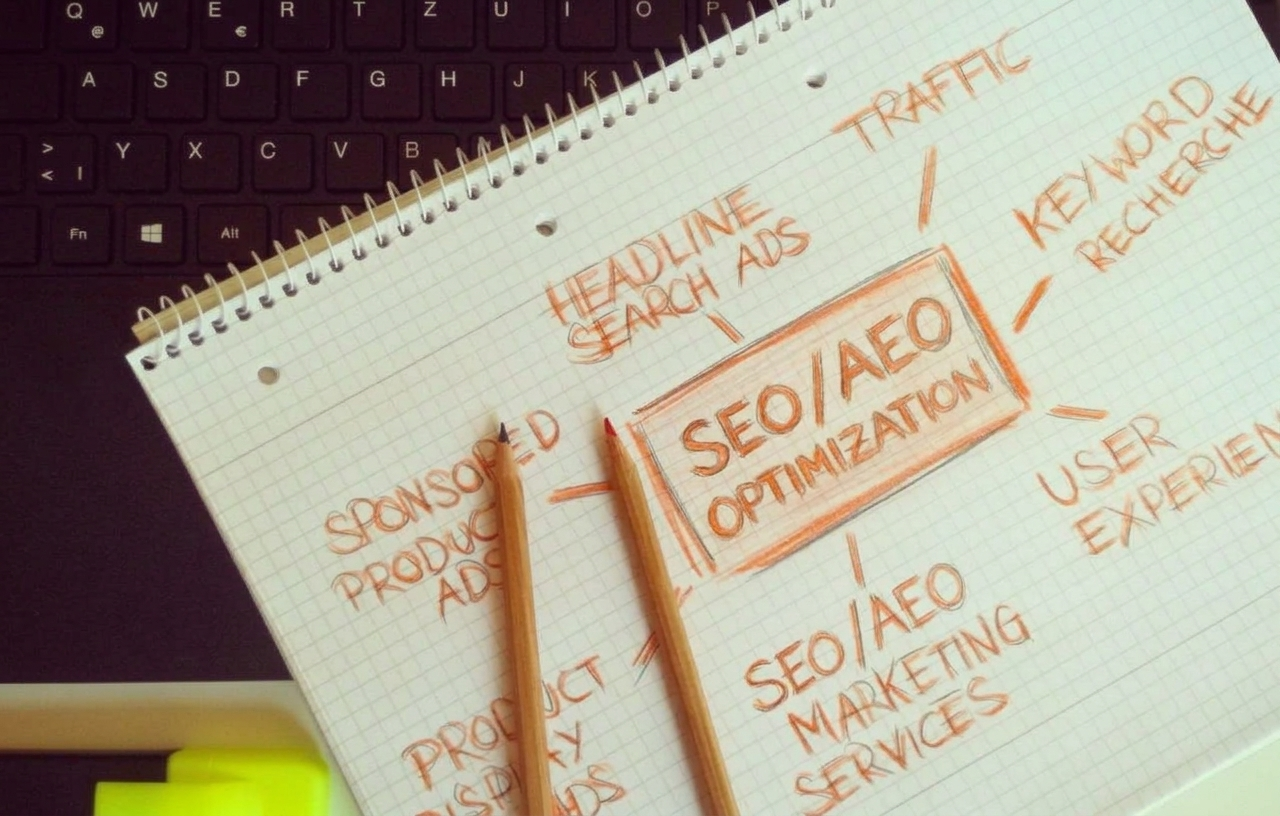
AI search user experience is quickly becoming one of the most overlooked ranking signals in modern SEO. While traditional SEO focused on backlinks and meta tags, AI-powered engines like Google’s Search Generative Experience (SGE) and ChatGPT’s Browse function now prioritize how users interact with your site. Clear navigation, clean design, and easy-to-understand messaging all shape how your content is perceived, not just by humans, but by AI crawlers too.
This shift is especially relevant for brands that want to future-proof their digital presence. A jumbled layout or confusing call-to-action doesn’t just hurt conversion rates. It weakens your authority signal in a world where user experience is data.
How Does Brand Voice Factor Into AI Search?
Brand voice isn’t just for social captions or snappy taglines. A strong, consistent tone can improve how clearly your content is understood by AI systems parsing your site for intent.
Here’s how:
- Clear, structured writing improves AI summarization (key for Featured Snippets and AI Overviews)
- Consistency across product pages, blogs, and service pages like marketing signals brand authority
- Conversational tone increases relevance for zero-click and voice searches
Want to see this in action? Check out our post on conversational SEO strategies.
What Design Elements Matter Most for AI Visibility?
AI search algorithms now evaluate pages the way a user would. That means:
- Fast load times and mobile responsiveness
- Clear hierarchy with headings, bullet points, and labeled sections
- Accessible design and intuitive user flow
- Effective linking between related content (like branding, websites, and blogs)
In other words, design isn’t just visual, it’s structural. And structure is what AI loves.
How Can You Optimize for Both People and Algorithms?
Good news: you don’t need two separate strategies. Building a seamless, human-friendly site is optimizing for AI.
Here’s what to prioritize:
- Brand clarity: Who are you, and why should someone trust you?
- UX simplicity: Can users get what they need without thinking?
- Contextual linking: Guide users (and AI) to more useful content, like this case study that connects brand clarity with conversion wins.
Ready to optimize your site for both human eyes and algorithmic brains? Contact us or subscribe to our newsletter to stay sharp in the new search era.